What Does Trucking Logistics Mean?
In trucking, logistics is the strategic planning and execution of moving freight from origin to destination. It encompasses everything from route optimization and load matching to regulatory compliance and real-time tracking.
While trucking provides the physical movement, trucking logistics serves as the operational brain, ensuring goods arrive efficiently and legally.
Defining Trucking Logistics
Logistics represents the complex nervous system behind the wheel. It acts as the backbone of supply chains, ensuring that goods move cost-effectively.
Whether coordinating shipments of a standard dry van shipment or specialized oversize transport, trucking logistics transforms transportation from a simple commodity into a strategic advantage.
This discipline goes beyond mere driving. It involves analyzing data to improve speed and reduce waste. In 2022, the U.S. trucking industry generated $940.8 billion in gross freight revenues, accounting for over 80% of the nation’s total freight bill and underscoring its dominant role in logistics.
Key Insight: Trucking logistics transforms transportation from a simple commodity into a strategic competitive advantage. It acts as the nervous system of the supply chain, ensuring goods move legally, efficiently, and cost-effectively. |
What Does Logistics Mean in Trucking? The Core Pillars
To understand what trucking logistics means in trucking, one must break the concept down into operational building blocks. Effective supply chain management relies on five distinct pillars that function simultaneously.
Load Planning & Capacity Matching
This involves analyzing freight characteristics like weight and dimensions. Planners match these with the correct equipment type, a step vital for heavy equipment transport and partial truckload shipment.
Route Optimization
Third-party logistics providers utilize advanced route planning software to determine efficient paths. Effective optimization reduces mileage, fuel consumption, and transit times significantly.
Regulatory Compliance
This manages legal standards, including FMCSA regulations and ELD mandates. Strict adherence prevents expensive violations and operational shutdowns for trucking companies and trucking logistics companies alike. The trucking industry has increasingly prioritized compliance as regulations evolve.
Real-Time Visibility
Modern trucking logistics relies on TMS and logistics management software for granular data. This allows shippers to monitor freight location and status instantly.
Network Integration
Trucking does not exist in a vacuum. True supply chain management logistics integrate road transport with warehousing and last-mile delivery partners for a seamless supply chain. Many businesses partner with third-party logistics providers to achieve this level of integration and operational excellence.
Key Insight: Effective route optimization is a financial game-changer. Utilizing advanced algorithms to reduce mileage and fuel consumption, which saves you more money. |
How the Freight Actually Moves Step-by-Step
When a shipper tenders a load, a specific logistical chain of events is triggered. This process ensures that the freight transportation is predictable and accountable. For those asking what logistics mean in trucking, this step-by-step process illustrates the complexity behind every shipment.
- Order & Load Tender: The shipper submits shipment details to their freight broker partner. This includes origin, final destination, commodity, and weight.
- Carrier Assignment: The freight broker or third-party logistics company identifies the best carrier for the job. They verify safety ratings and insurance before confirmation, showing how freight brokerage adds value.
- Pre-Trip Compliance: For standard loads, this is a quick check. For heavy haul trucking, this stage involves securing state-specific permits. The trucking industry demands strict attention to detail here.
- Pickup & Securement: The truck arrives for loading. Customer service representatives coordinate with teams to ensure proper check-in procedures and strict cargo securement occur before the wheels turn.
- En-Route Monitoring: Through TMS platforms, the load is tracked. Exception management teams handle unforeseen issues like weather delays immediately, keeping delivery schedules intact. Advanced supply chain management technologies enable real-time visibility throughout the trucking industry.
- Delivery & Analytics: The freight arrives at the consignee. Proof of Delivery is captured digitally, and analytics are reviewed to measure performance.
Pro Tip: Never overlook pre-trip compliance. For heavy haul or specialized freight, securing state-specific permits and arranging pilot cars before the truck arrives is crucial to preventing costly delays and legal impoundments. |
Who Provides Trucking Logistics?
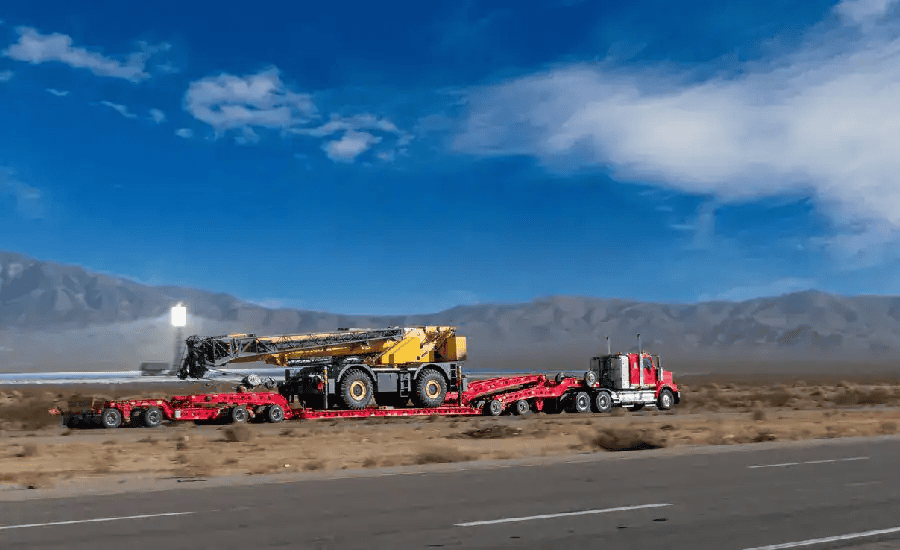
The landscape of trucking logistics companies is diverse. Shippers generally engage with three types of entities: third-party logistics providers (3PLs), Freight Brokers, and Asset-Based Carriers.
Provider Type | Primary Asset |
|---|---|
Freight Broker | Network of Carriers & Relationships |
Asset-Based Carrier | Trucks & Trailers |
Full-Service 3PL | Technology & Processes |
Freight Broker Spotlight: Titan Worldwide
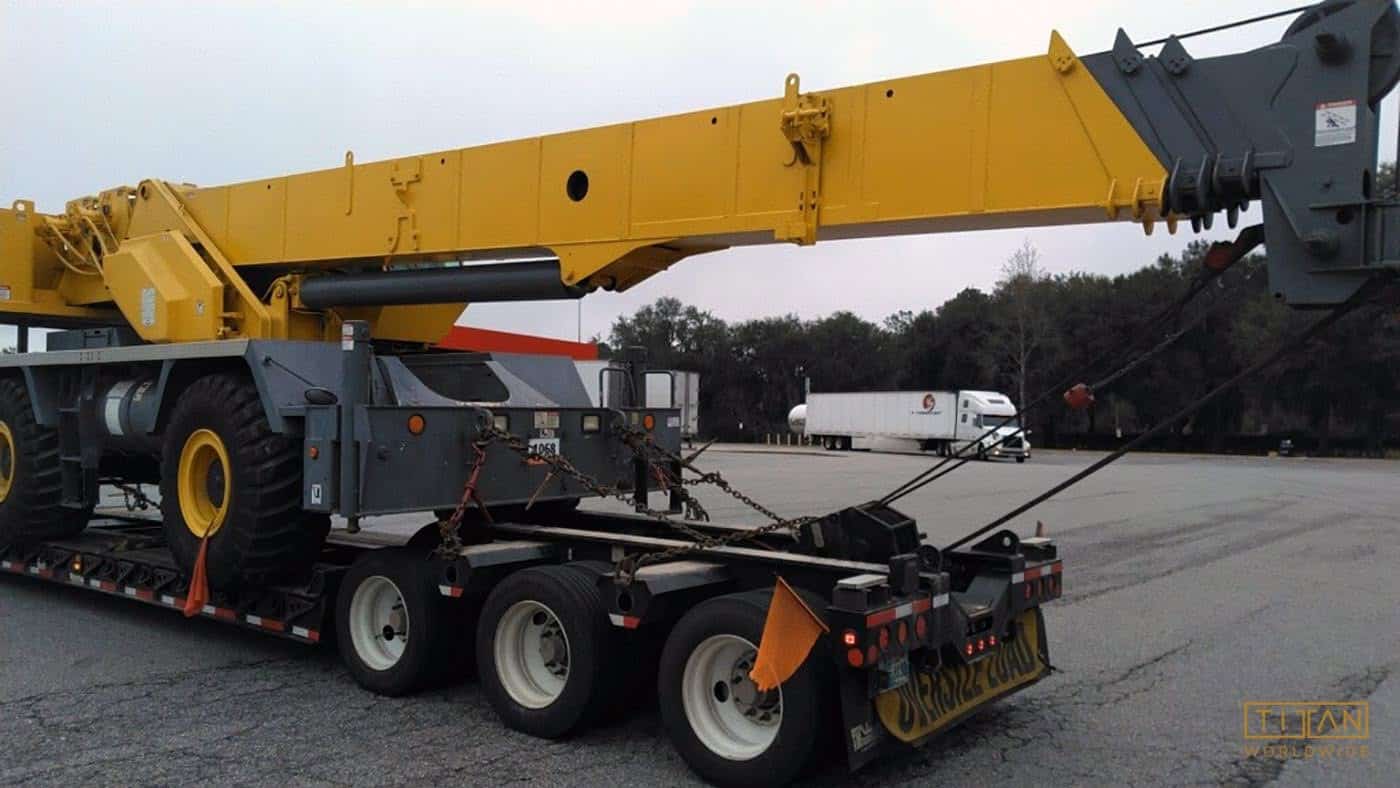
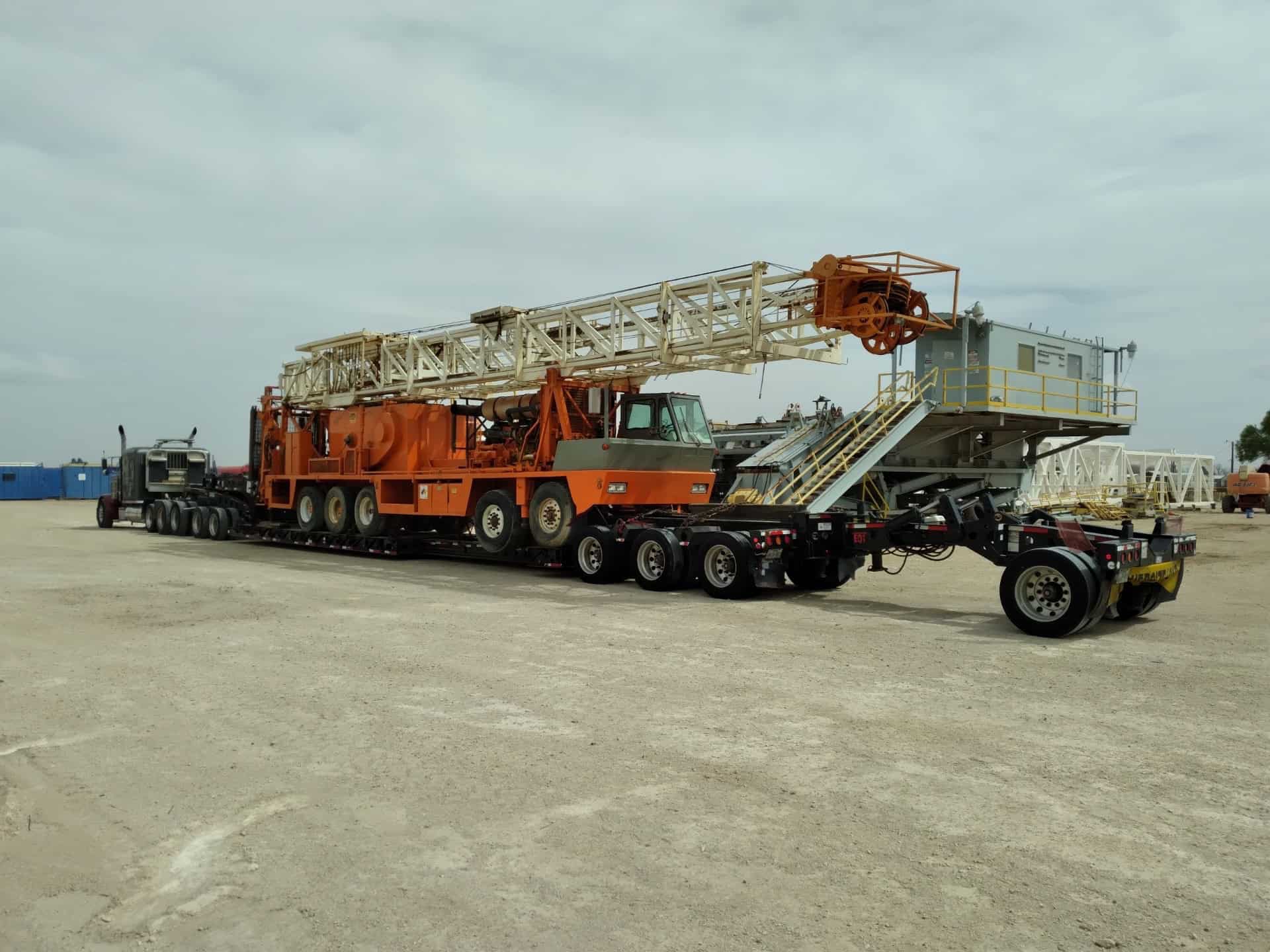
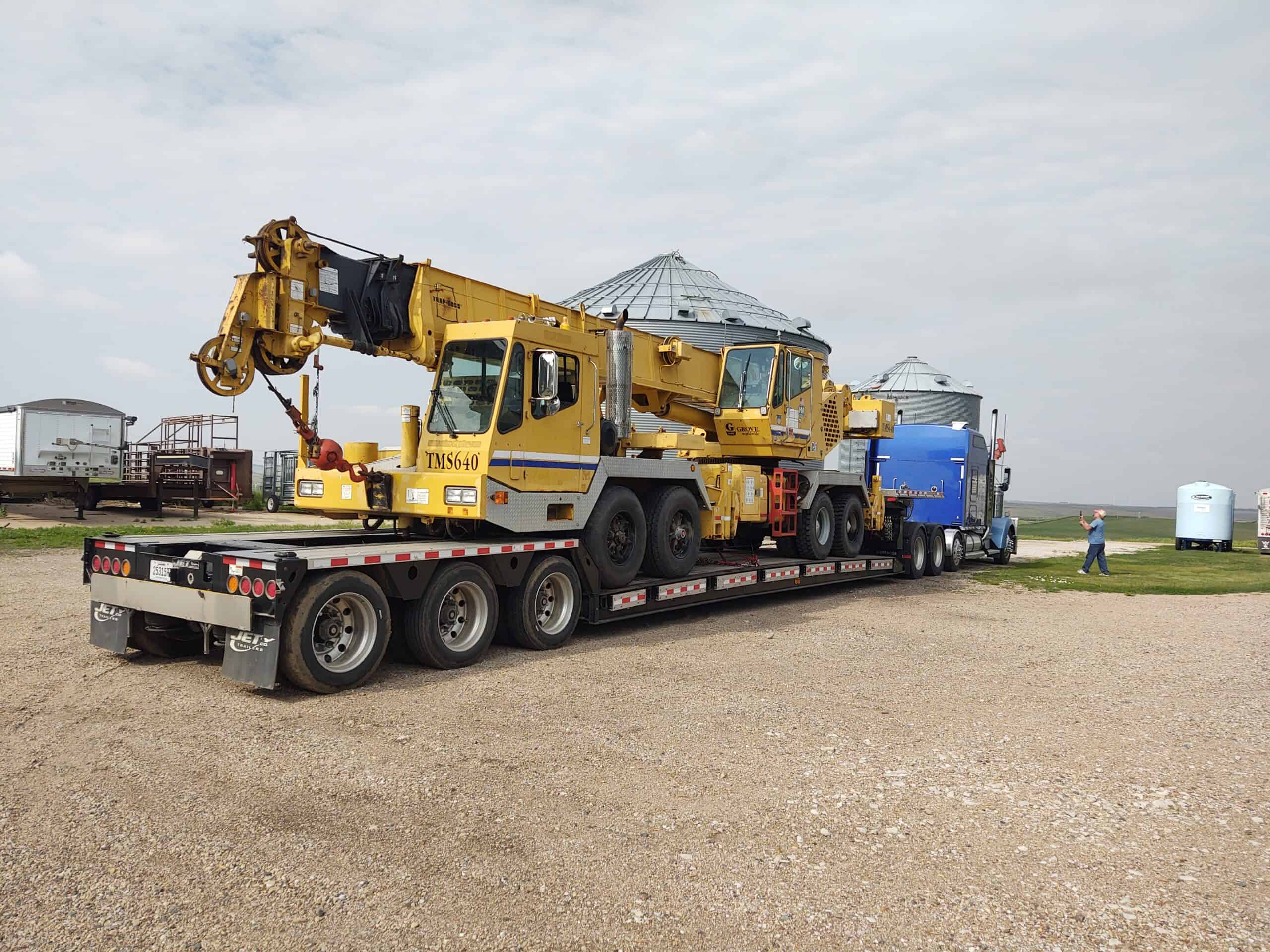
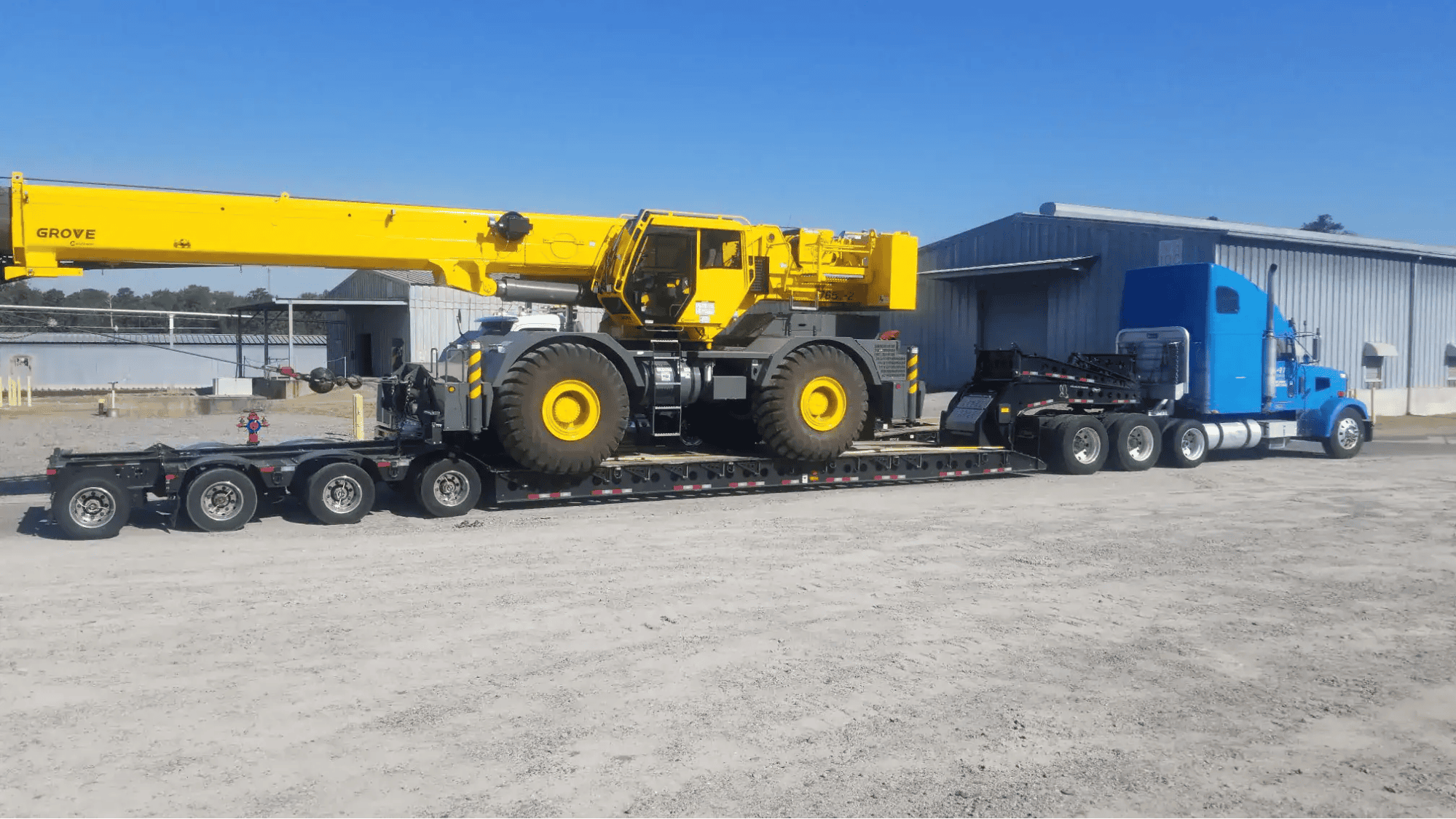
Titan Worldwide exemplifies the modern hybrid approach, combining high-touch brokerage with deep operational expertise. They specialize in heavy haul trucking logistics and project management across North America. From moving 13-axle super loads to coordinating heavy machinery, they utilize precise planning.
Their capabilities extend to complex sectors like renewable energy. This includes specialized industrial moves. Whether handling multi-modal global freight or domestic projects, they deliver reliable results.
Pro Tip: Match your provider to your specific needs. Use freight brokers for quick spot market capacity, but rely on asset-based carriers or hybrid partners like Titan Worldwide for consistent lanes requiring dedicated equipment control. |
7 Key Benefits of Partnering with Efficient Logistics Experts
Engaging a professional partner for supply chain management logistics offers advantages that go beyond simply finding a truck.
- Cost Optimization: Leveraging the buying power of a logistics provider allows shippers to access better rates. Optimized mode mixes can further reduce spend.
- Efficiency Gains: Streamlined supply chain processes supported by an effective inventory management system lead to higher on-time delivery rates and improved operational efficiency. This significantly reduces the administrative burden on internal teams.
- Specialized Regulatory Expertise: Partners handle the complexities of permits and certifications. This is vital for ensuring legal crane transport or hazmat movement.
- Scalability: Logistics providers offer flexible capacity. Businesses can scale up during seasonal surges without capital investment.
- Risk Mitigation: Rigorous carrier vetting and compliance management protect shippers. This reduces liability exposure and risk of cargo theft.
- Enhanced Service: Proactive tracking improves the experience for the end customer. Real-time updates prevent “check-call” fatigue.
- Core Focus: Outsourcing logistics allows the shipper to focus on their core business. Manufacturing and sales take precedence over transport execution.
Biggest Challenges Facing Trucking Logistics Today
Despite sophisticated systems, the transportation industry faces significant headwinds. Trucking logistics teams must navigate these challenges daily to maintain operational efficiency.
Driver Scarcity & Capacity Crunches: The industry continues to face a chronic shortage of qualified drivers. In 2024, the nation’s domestic truck tonnage shipped was estimated at 11.27 billion tons of freight transported. Moving this massive volume with fewer drivers creates tight capacity in high-demand lanes.
Regulatory Pressure & Volatility: Evolving rules add layers of complexity and cost to operations. Furthermore, issues like fluctuating fuel prices and complex wind turbine transportation regulations can disrupt supply chains overnight.
Warning/Important: The driver shortage is a critical risk factor. Shippers must secure reliable partnerships now to avoid being left without capacity during high-demand periods. |
Best Practices & Forward-Looking Trends
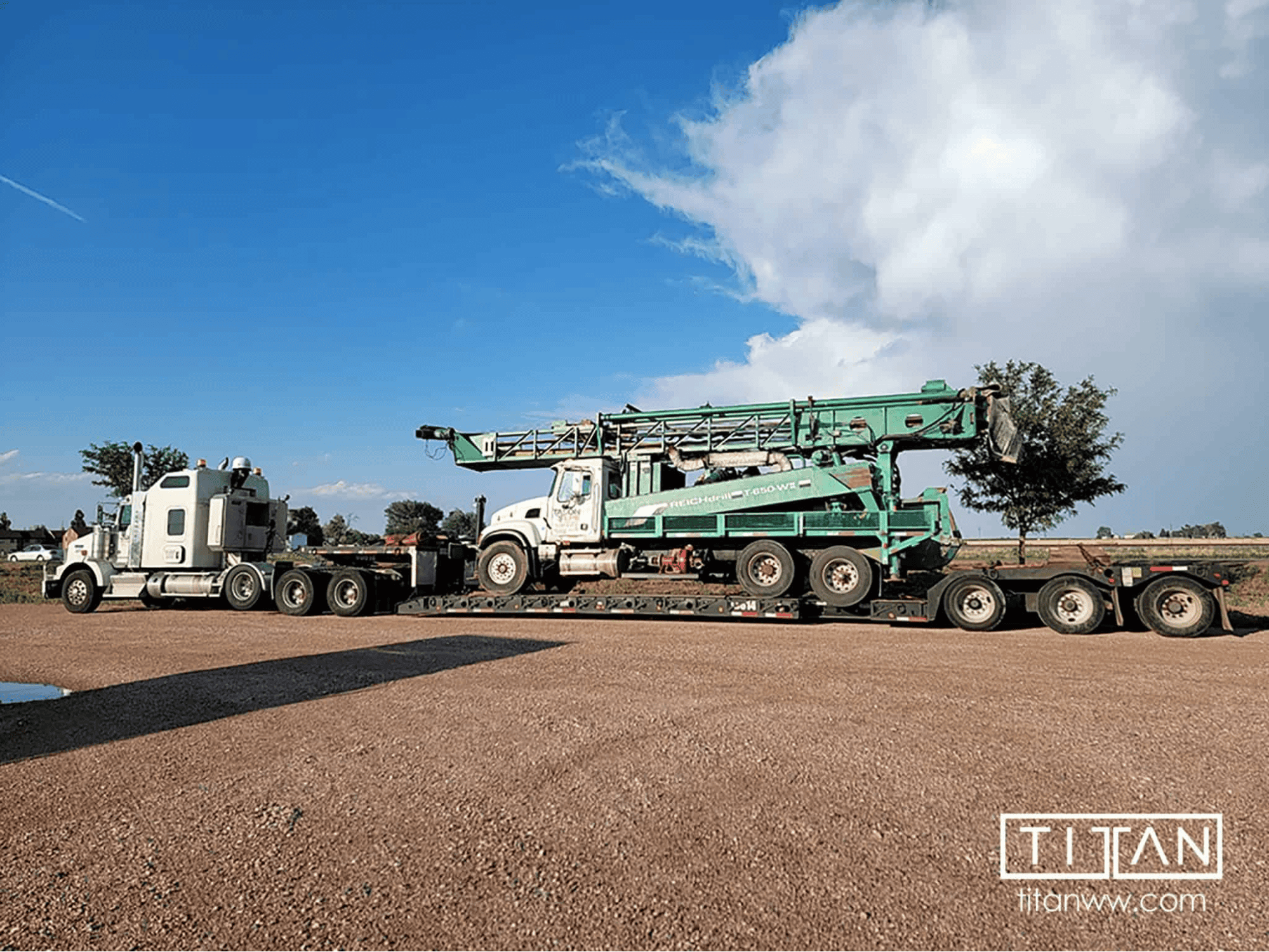
To stay competitive, shippers and efficient logistics providers are adopting new strategies. Data-driven decision-making is at the forefront of this evolution.
Current Best Practices
Today’s most effective supply chains prioritize data-driven route optimization. This minimizes deadhead miles and fuel waste. There is also a renewed focus on continuous safety training and real-time collaboration platforms that allow teams to track shipment progress efficiently.
Future Trends in Logistics
The future of the shipping logistics industry is intelligent and sustainable. We are seeing the rapid integration of AI-powered load matching that predicts pricing instantly. Cross-border trade is also booming.
In 2024, U.S. freight flows with Canada and Mexico equaled $1.6 trillion dollars, driving deeper integration between North American carriers. Advanced transportation management solutions will be critical to capitalize on these opportunities.
Master Trucking Logistics With Trusted Partner
Understanding what logistics means in trucking is essential for any successful freight operation. Trucking logistics in trucking is defined by the holistic coordination of freight movement.
This kind of logistics is the difference between simply driving a truck and executing a professional freight brokerage. When executed well, the logistics process reduces waste and improves customer satisfaction.
For shippers, the key is to assess a freight broker based on capacity and technology. Implementing a robust trucking logistics strategy backed by a trusted partner like Titan Worldwide creates value. This approach turns transportation challenges into distinct competitive advantages.