What Is Construction Hotshot Trucking and Why Does It Matter?
A hydraulic hose just blew on your primary excavator at 4 p.m., and a massive concrete pour is locked in for 6 a.m. tomorrow. The nearest parts supplier closes in one hour, and the urgency is working against your dedicated construction company crew.
Whether you operate in a commercial construction or the oil and gas industry, missing critical tools demands rapid action.
Construction schedules have zero tolerance for unexpected supply chain disruptions or operational gaps. Last-minute freight emergencies hit every major commercial project, making hotshot trucking absolutely vital to maintain forward momentum.
This method provides a fast hotshot shipping service engineered for moments when waiting fails. We cover what these hotshot services entail alongside the staggering costs of delays, demonstrating how hotshot trucking solves urgent freight challenges.
What Is Hotshot Trucking in Construction?
Hotshot trucking is an expedited service for moving time-sensitive, smaller loads quickly and efficiently.
Unlike full truckload or traditional less-than-truckload (LTL) shipping, it avoids long waits, shared cargo space, and unnecessary delays. A reliable hotshot truck provides direct delivery to the final destination through a dedicated truck setup to help meet tight deadlines.
Fast delivery is one of the key benefits that helps keep projects moving and avoids major operational downtime. In the U.S. Government Accountability Office’s review of 18 projects, 11 encountered issues that could benefit from expedited freight solutions.
In 9 of those 11 projects, the cost to remediate unforeseen conditions accounted for 1 to 5 percent of the original construction contract amount, while one project reached approximately 6 percent. Same-day and overnight shipping for critical equipment can help reduce downtime and keep work moving without waiting to fill an entire truck.
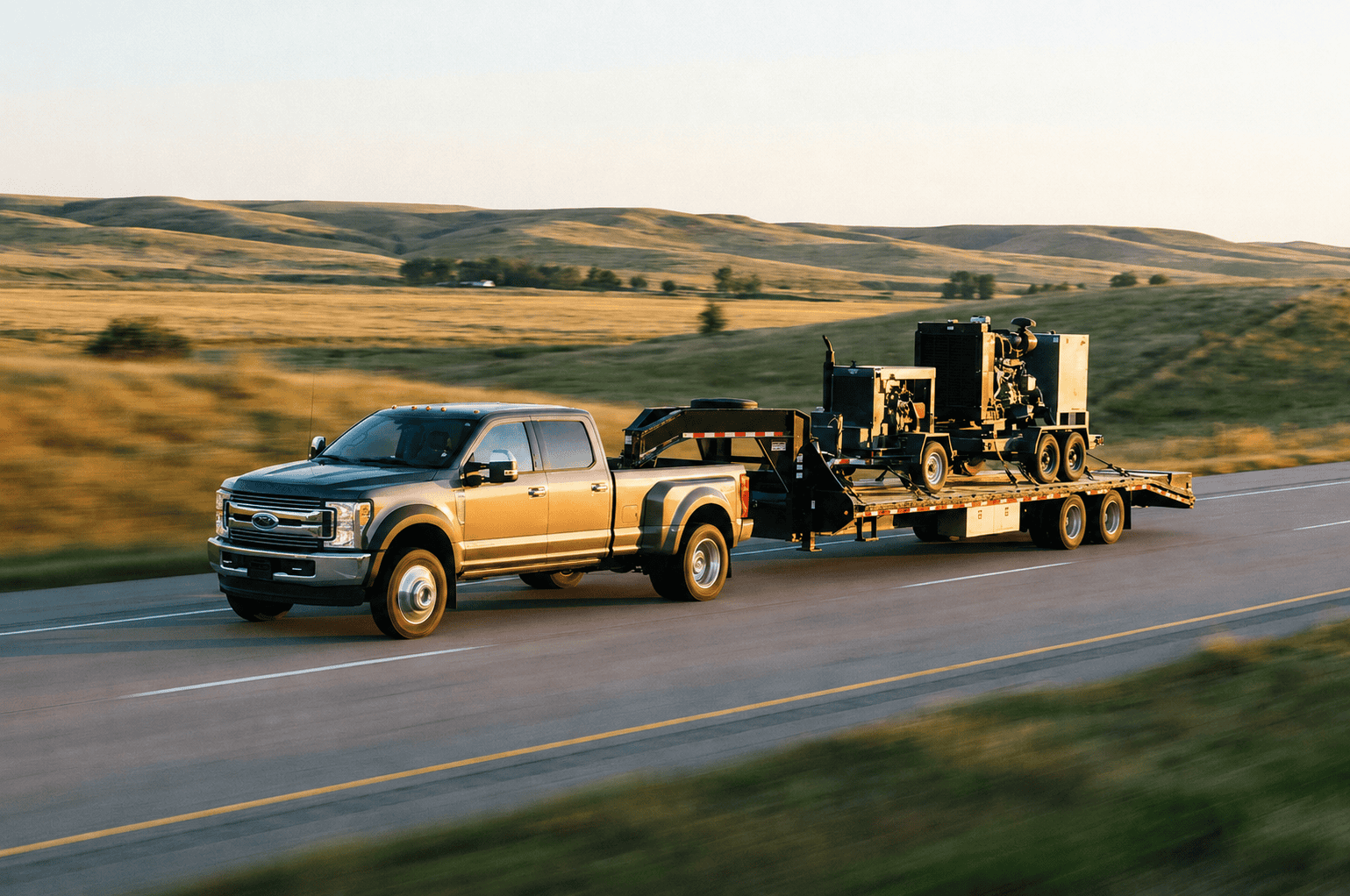
Hotshot fleets typically include Class 3 to 5 medium-duty trucks, straight trucks, cargo vans, and heavy-duty pickup truck setups, depending on the load.
These smaller hotshot vehicles can handle payloads up to about 16,500 pounds and are well-suited for tight, active job sites. A properly equipped pickup truck can also move urgent parts quickly between suppliers and construction project sites.
What Construction Projects Need Hotshot Trucking?
The key question is not what a pickup truck can haul, but which missing materials or parts could shut down a jobsite. When critical items fail to arrive, a hotshot truck can deliver them quickly and keep construction operations moving.
Essential replacement parts like hydraulic hoses, motor components, and machinery parts can bring equipment to a halt. An idle excavator, for example, can disrupt schedules, delay maintenance, and create costly supply chain management issues without fast hotshot shipping.
Construction projects also often need urgent delivery of specialized tools and attachments, such as drill bits, saw blades, and welding equipment. These hotshot loads are often best handled through direct and fast delivery to the field.
Other common urgent items include portable generators and specialty concrete additives. Across all of these hotshot loads, the deciding factor is urgency, not just vehicle size or gross vehicle weight rating (GVWR).
Depending on the load, hotshot carriers may use dovetail, bumper-pull, or step-deck trailers to move lighter loads efficiently. Qualified hotshot drivers must meet Commercial Driver’s License (CDL) and Federal Motor Carrier Safety Administration (FMCSA) requirements to ensure safe, compliant transport.
The Cost of a Job Site Delay - Why Speed Is Non-Negotiable
Job site delays are among the most expensive construction setbacks, but many can be avoided with proactive logistics and responsive hotshot trucking.
Financial penalties, including liquidated damages, can result from a delay caused by the prime contractor or one of its subcontractors. At one Department of Veterans Affairs contract, the rate was $2,800 per day of delay; at another United States Army Corps of Engineers contract, it reached $16,500 per day, making expedited transport a far less costly option.
Delays also keep equipment rentals running, waste concrete pours, and trigger remobilization costs. Credible estimates place the cost of an hour of delay at about $24 in labor and benefits, plus $2 in diesel fuel. A single missed shipment can stall every trade that follows.
In most cases, the cost of a hotshot truck is far lower than the cost of operational downtime.
|
Warning/Important: Never view hotshot trucking as an added expense. An $800 hotshot truck run for urgent materials is vastly cheaper than paying a full ten-person crew and heavy machinery rentals to sit idle for one hour. |
Construction Hotshot vs. Equipment Transport
Construction hotshot and equipment transport are often confused, but each serves a different purpose. Choosing the right option helps avoid delays and keeps projects moving.
Hotshot services are best for urgent parts, tools, and smaller loads, typically up to 16,500 pounds, with same-day delivery.
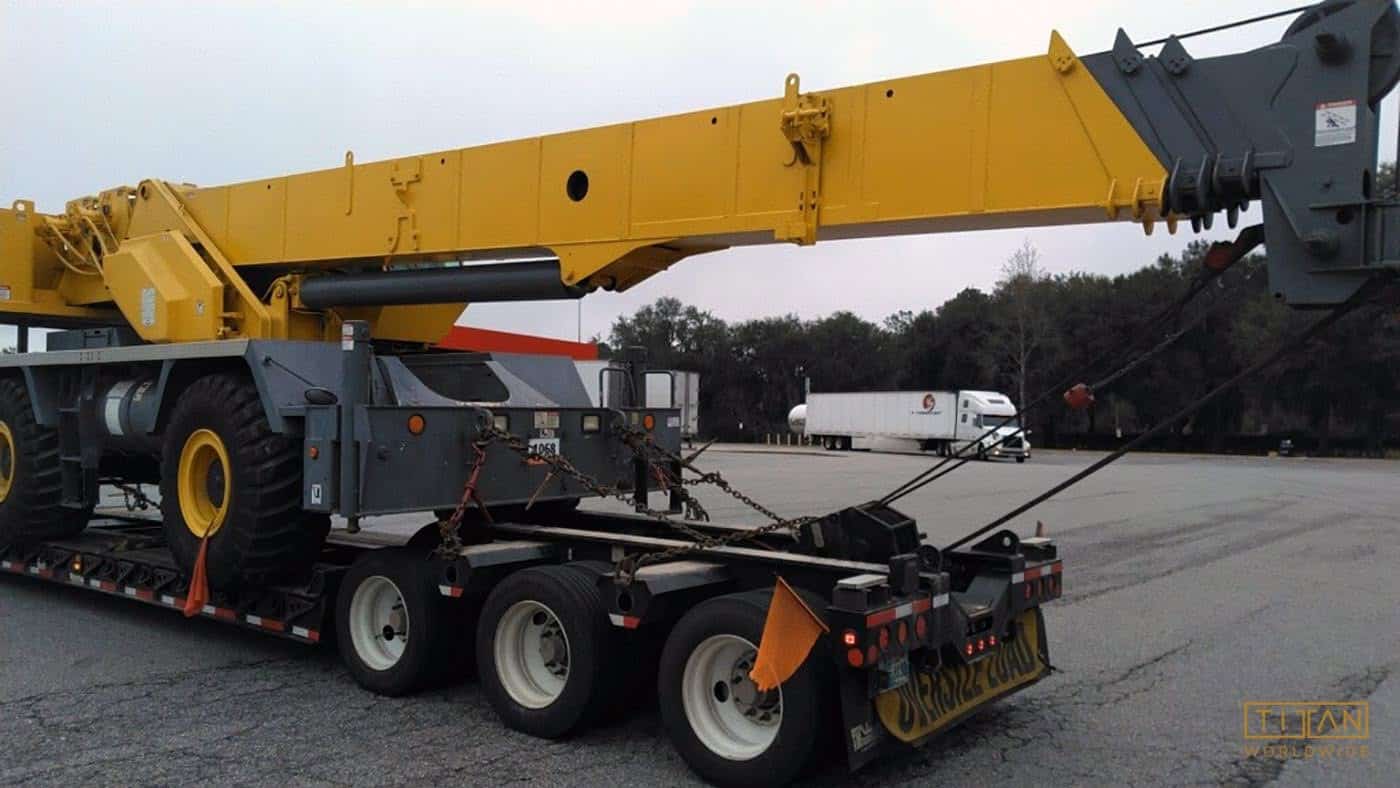
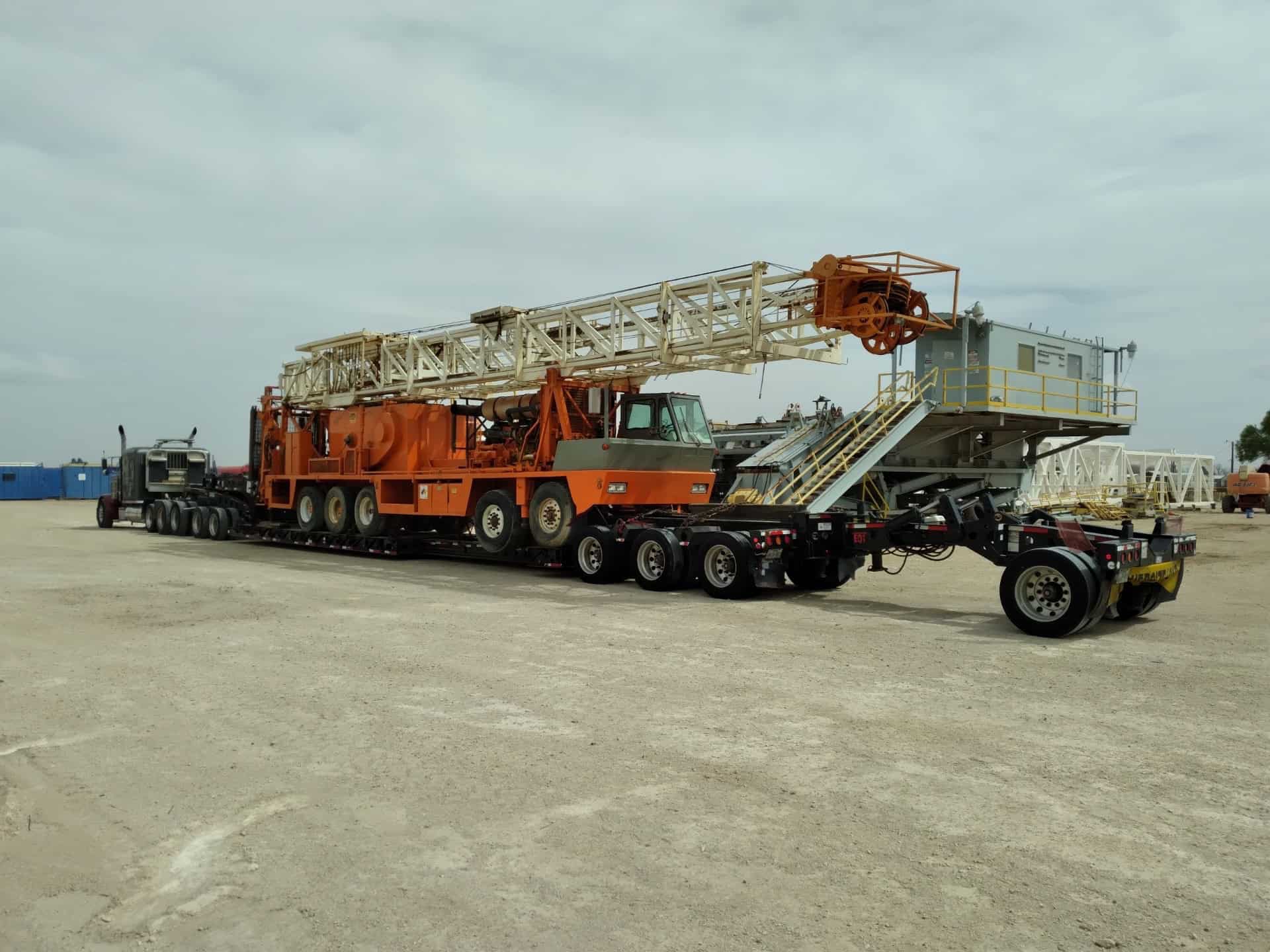
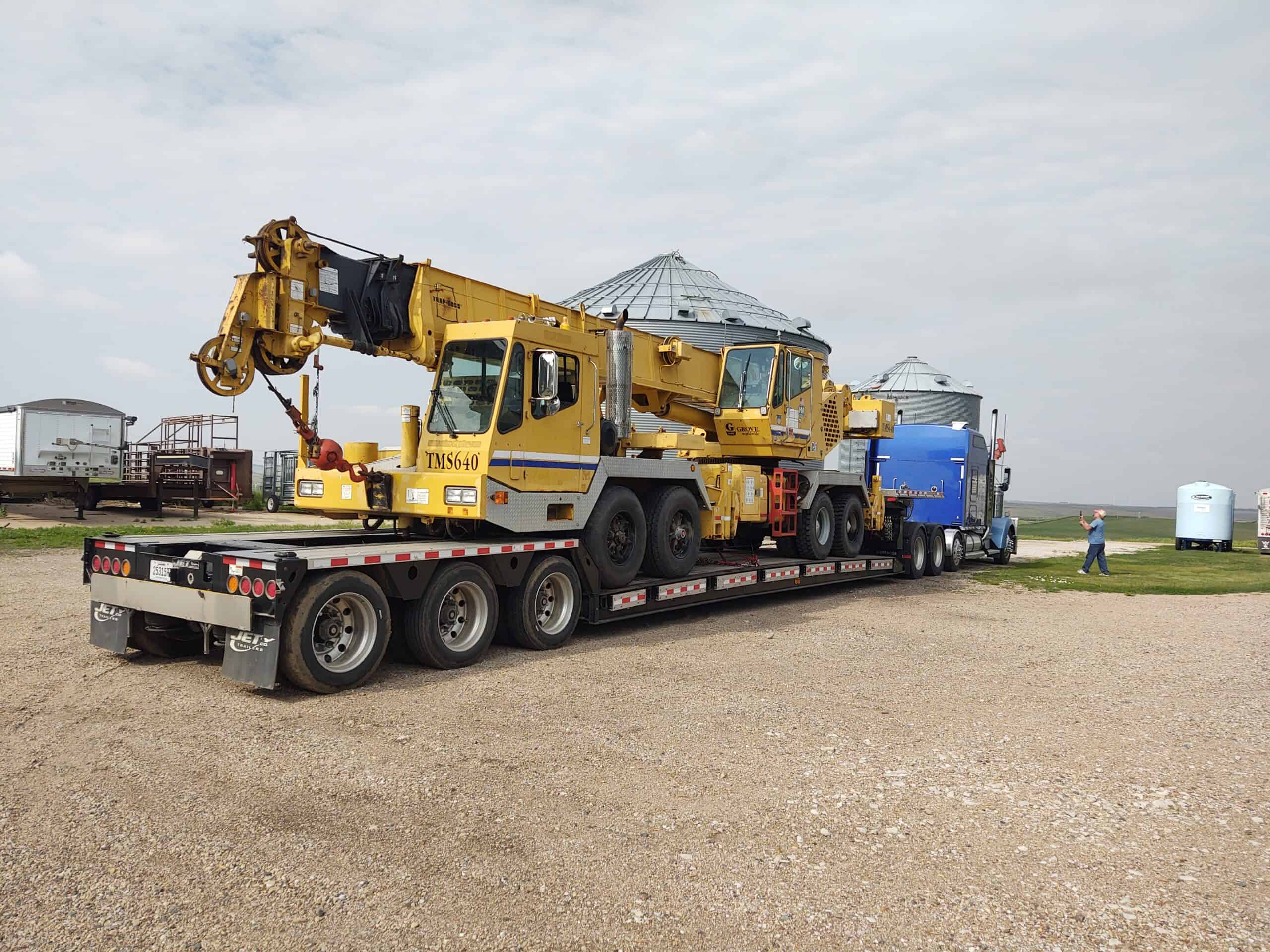
Equipment transport is used for oversized or heavy machinery that requires a larger truck above that threshold and usually requires more planning time.
|
Factor |
Expedited Services |
Full Scale Transport |
|---|---|---|
|
Load Type |
Parts and tools |
Heavy machinery |
|
Weight Requirement |
Up to 16,500 lbs |
Over 16,500 lbs |
|
Lead Time |
Same-day delivery |
Days or weeks |
For example, relocating a 120,000-pound crawler crane requires heavy equipment transport planning. But if a failed part shuts down a machine, hotshot trucking can deliver the replacement quickly without the delays of traditional less-than-truckload shipping.
Hotshot shipping typically uses smaller trucks for faster deliveries and lower operating costs, while traditional freight handles larger loads and more complex shipments. Using the right service gives contractors better control over logistics and supply chain strategy.
|
Key Insight: Hotshot trucking is defined by the urgent timeline alongside rapid hotshot truck staging, while heavy haul transport is defined by the tonnage. Choose hotshot when time takes absolute priority over size. |
Time-Sensitive Scenarios for Hotshot Freight and Expedited Delivery
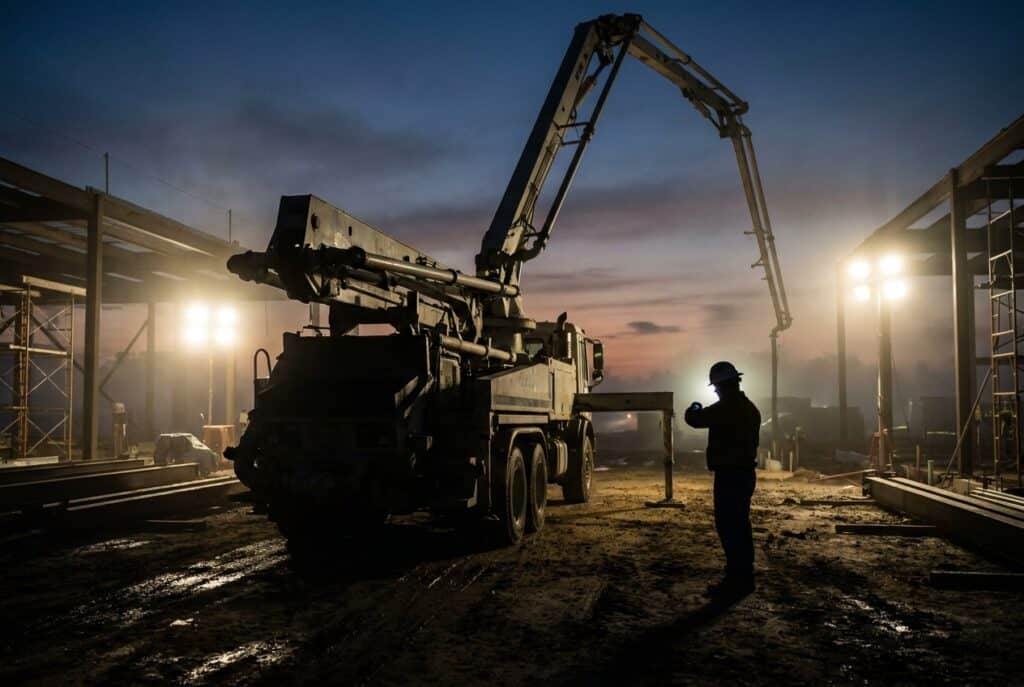
Hotshot trucking is most valuable when delays can quickly become costly problems. In high-pressure situations, fast delivery helps keep urgent loads moving and avoids major operational downtime.
Common examples include:
- A concrete foundation pour where a failed pump hose could ruin an entire batch
- A crane job where the crew and equipment remain idle while waiting for a critical part
- A regulatory inspection that requires the immediate replacement of components to avoid long rescheduling delays
In each case, a rapid response from an experienced hotshot driver can turn a serious disruption into a manageable delay. In many situations, a pickup truck allows drivers to reach congested or restricted job sites faster than larger freight vehicles.
Properly handling oversize transport also helps ensure large operations stay on track when urgent needs arise.
How Project Managers and Hotshot Drivers Should Coordinate Logistics and Expedited Freight
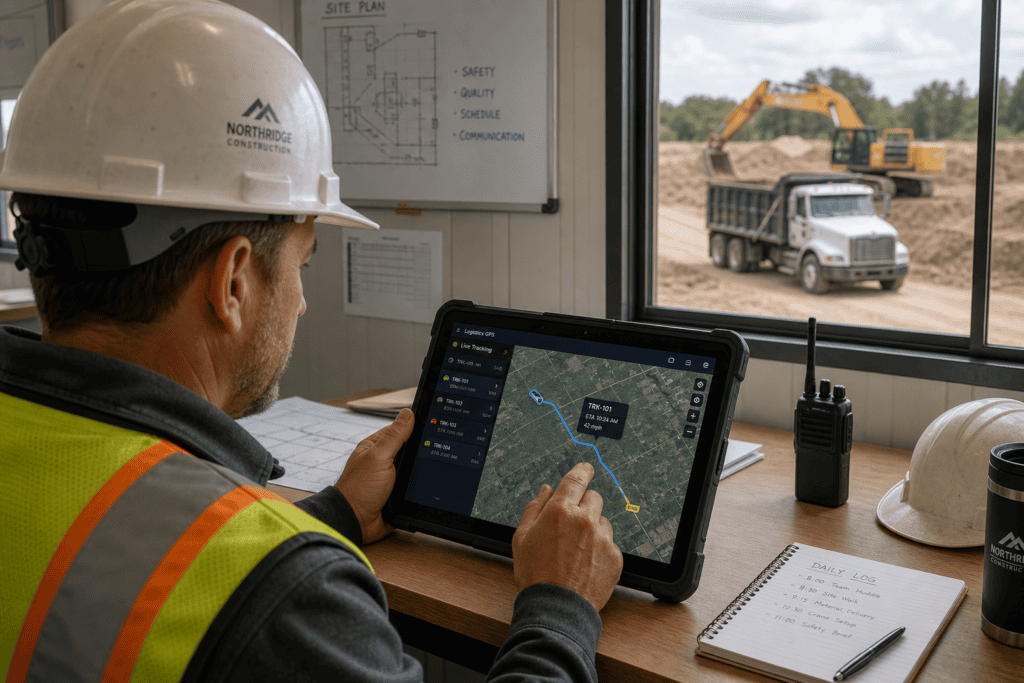
Strong hotshot planning starts before a short-notice emergency happens. Effective coordination also depends on experienced hotshot drivers who can respond quickly under tight construction timelines.
To reduce delays and keep projects moving, project managers should establish clear systems for handling urgent equipment and material deliveries, including:
- Pre-qualify a reliable hotshot carrier network
- Keep an inventory of critical parts for vulnerable equipment
- Create clear dispatch protocols and delivery windows
- Require real-time tracking for active shipments
- Include expedited freight costs in contingency budgets
- Consider dedicated support for complex, multi-phase projects
For large or high-risk jobs with fluctuating demand, proactive planning helps prevent delays. Strong trucking logistics protocols help construction teams navigate broader trucking industry bottlenecks across both urban and rural sites.
Project managers should also have one dedicated contact who understands weight limits, LTL constraints, and insurance requirements. Avoid relying on rotating call center agents, which can lead to costly miscommunication.
Pro Tip: Don’t wait until an excavator breaks down to vet your hotshot shipping provider. Establish a relationship with seasoned hotshot truckers, verify DOT authority, and seamlessly manage hotshot loads during initial project mobilization. |
What to Look for in a Construction Hotshot Freight Carrier
Not every hotshot carrier can handle time-sensitive freight. Before booking, confirm the basics:
- Valid DOT authority
- Adequate cargo and liability insurance
- Access to the right trailer types, including flatbeds and specialty equipment
- Experience with job site access restrictions
- GPS tracking and consistent status updates
- Broad coverage, including cross-border capability if needed
For construction and industrial work, 24/7 dispatch support is also essential. Urgent loads do not wait for business hours.
Strong heavy haul trucking experience can also reduce risk on complex jobs, especially in hard-to-access or remote locations. Avoid carriers with limited equipment or single-truck operations if your project requires flexible, dependable support.
Pricing Factors Specific to Construction Moves
Expedited freight pricing depends on a few key variables. Understanding them helps improve planning, budgeting, and overall cost efficiency.
- Total mileage
- Urgency, including overnight or emergency dispatch
- Load weight and trailer type
- Remote or hard-to-reach delivery locations
- Fuel surcharges
- Special handling requirements
While expedited service can cost more upfront, it often delivers significant cost savings by preventing crew downtime and project delays. Clear pricing also helps shippers avoid unexpected invoice changes.
Titan Worldwide Logistics Construction Hotshot Services
Hotshot trucking helps protect construction project timelines and profit margins by keeping critical construction materials and equipment moving.
Titan Worldwide Logistics provides experienced support for urgent and specialized freight, using flatbed and gooseneck trailers to handle a wide range of hotshot loads. Our team helps streamline complex regional moves and solve tough delivery challenges, even in difficult conditions.
Don’t let delayed construction materials or a missing part stop your project. Contact Titan Worldwide Logistics to request a hotshot truck and keep operations moving.